Phygital Retail: How Omnichannel is Transforming Shopping Experiences

Phygital Retail, it might not be an ordinary term in your vocabulary yet, but this is one of those phrases from “forthcoming development.” The retail industry has endured dramatic changes over the last few years, and another new trend is already taking hold!

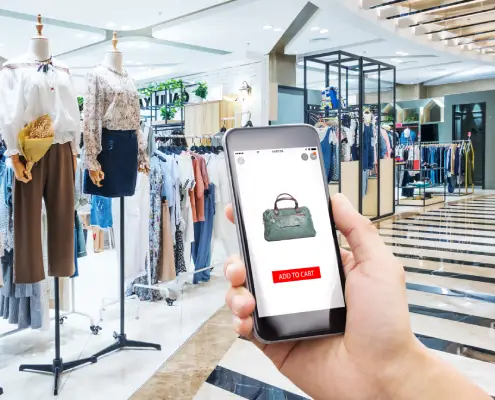
Have you recently noticed a virtual try-on feature of a product on a holographic mirror in any of the big international brands’ stores? There’s no science fiction behind it, but a whole new shopping experience. It lets customers have the convenience of online shopping while having the real benefits of physical stores, like browsing the products in person or trying them.

The idea is to offer the fusion of physical and digital worlds to create a seamless omnichannel shopping journey that will not soon disappear.

Statistically, 54% of shoppers favour stores that seamlessly combine online and offline shopping options, as per Statista.

Considering everything, the concept of Phygital Retail deserves a deeper understanding and analysis of prospects for retail business owners. So, let’s dive in!


Why Phygital Retail Is the next step beyond omnichannel?

Omnichannel is gradually being replaced by phygital retail. The retail world is quickly adopting phygital, a concept that blends the best of online and in-store shopping. It connects the digital and physical worlds to create a smooth, flexible shopping experience.

With an online store, customers can shop, pay, and receive products however they prefer. Meanwhile, a physical store offers hands-on experiences that digital shopping can’t.

Retailers now have the opportunity to combine both worlds—allowing customers to switch between online and offline retail shopping effortlessly. This could mean:

  • Easy click-and-collect options.
  • Checking real-time stock availability before visiting a store.
  • Creating engaging in-store and virtual experiences that make shopping more interactive.

By embracing this hybrid approach, businesses can offer more convenience and keep customers engaged across all platforms.

Advantages of Phygital Retail for businesses and customers

1. For Customers

  • Personalised Product Suggestions: Phygital retail uses data to suggest products based on each shopper’s preferences. Customers get personalised offers and recommendations that match their likes and dislikes, making shopping more enjoyable and strengthening their connection with the brand.
  • Live Product Availability Updates: Phygital retail lets customers check product availability online and in nearby stores in real-time. This prevents the frustration of out-of-stock items, helping shoppers make better purchase decisions and enjoy a more convenient customer experience.
  • Variety of Product Offerings: Stores have limited space, but a hybrid sales system lets businesses showcase more products without worrying about storage. Customers can browse online, pick up or check items in-store, and order online for home delivery.

2. For Businesses

  • Higher Profits & Competitive Edge: Phygital retail boosts ROI by blending physical and online shopping. It helps reach more customers, offers personalised experiences, and increases profits. This approach helps your business stand out from competitors who still use conventional methods.
  • Stronger Brand Presence & Customer Trust: One of its key benefits is building brand recognition and trust. By interacting with products both in-store and online, customers feel more connected to the company. This strengthens their trust and makes them more open to its offerings.
  • Better Stock Management: Managing both physical and online stores on one platform ensures accurate inventory tracking and prevents stockouts. With Shopify, retailers can see stock levels in warehouses and stores, allowing them to reorder in time and avoid running out of popular products.

Trends that boost the future of Phygital Retail

There are a lot of technologies and enterprise commerce trends that have enhanced the phygital experiences upfront. Let’s take a look at a few of them ruling over others!

1. The Rise of kiosks services

Kiosks combine physical and digital experiences, allowing customers to perform tasks quickly, such as ordering food or checking in at an airport. They personalise interactions based on previous data, making the process more efficient and interesting and ultimately increasing customer happiness and loyalty. If you did not know, the self-service kiosk market was worth USD 13.35 billion at the beginning of 2025.

2. Seamless integration of mobile apps, curbside, and In-store pickup

Physical experiences, such as QR code menus, simplify ordering processes, but not everyone prefers technology. Businesses should balance digital and physical options to serve all customers, making shopping easy for everyone—whether they prefer a phone or a printed menu.

3. Enhanced Customer Experience Through Websites and Portals

Simple website portals have altered phygital retail by making self-service more accessible, reducing the need for customer support calls. Mobile-friendly sites and trained agents help customers navigate services independently, blending digital convenience with personal assistance for a smoother experience.

4. Growing Impact of voice technology

Did you know that voice shopping has accounted for more than $3.3 billion in customer spending? Voice technology, like Alexa, is becoming more useful beyond music and games. It helps with daily tasks, like tracking health data from wearables. This blends digital and physical experiences, making it easier to manage health and discuss it with doctors remotely.

5. Introduction of TFT or LED screens

TFT and LED screens have transformed phygital retail by enhancing shopping experiences with interactive displays. Customers can view product details, try clothes virtually, or see live demos, making shopping more engaging and seamless helping brands stay ahead in the digital era.

Conclusion

The connection between our digital and physical worlds is growing, and customers now expect a seamless shopping experience. No matter your business size, you can start building a phygital retail experience today.

In order to begin your journey of Phygital experience, here are a few considerations to keep in mind:

  • Create a consistent omnichannel strategy for your brand.
  • Prioritise your customers as a mainstream for your strategy.
  • Invest in trending technologies. Learn more about digital commerce trends.
  • Look and collaborate with people who can become your phygital ambassadors.

However, a great first step is using one platform to manage both digital and physical stores. This helps create a flawless shopping experience, boost customer trustworthiness, and increase engagement across all channels.

Know that the future of retail is Phygital! It’s time for brands to accept this shift and create the best shopping experience possible. Get in touch with our experts at GoWide Solutions to plan and implement your omnichannel strategy.

©2026 GoWide. All rights reserved.