Process Mining vs. Process Modeling: Understanding the Key Differences

Have you ever looked at your business processes and wondered, “Are they really working the way we planned?” Chances aren’t. Hidden inefficiencies, compliance gaps, and workflow deviations often creep in, impacting productivity and increasing costs. But how do you truly see what’s happening beneath the surface? This is where Process Mining vs. Process Modeling becomes critical—two powerful approaches that give you control over your business operations.

Process mining is your detective, uncovering real-world process execution by analyzing data from your IT systems. It doesn’t rely on assumptions; it gives you hard facts. Meanwhile, process modeling is your architect, helping you design and document the perfect workflow for efficiency and automation.

Both methods are crucial in process improvement, compliance, and operational optimization. But which one should you use? Or should you use both?

This guide will break it down, helping you make smarter, data-driven decisions for your organization.

So, let’s get started.
Process Mining vs. Process Modeling – Key differences

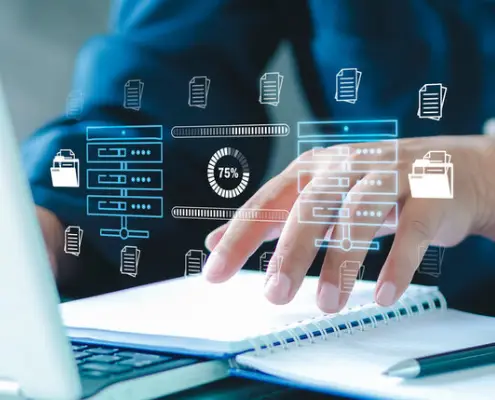
Process mining and process modeling are two key techniques in business process management (BPM), each serving distinct purposes. Process mining is a data-driven, algorithmic approach that analyzes event logs from IT systems to reveal how processes function.

In contrast, process modeling is a conceptual approach where business analysts manually map out workflows to represent how they should operate.

While they differ in methodology and application, both techniques are complementary—process modeling helps design ideal workflows, while process mining validates and refines them based on real-world execution.

Let’s discuss in detail.

1. Discovery vs. design: The fundamental difference

The primary distinction between process mining and process modeling lies in their core purpose.

  • Process Mining focuses on discovery. It uses data analytics and machine learning algorithms to uncover how processes actually work. By reconstructing the real-life sequence of events recorded in IT systems, it helps businesses identify hidden inefficiencies, compliance violations, and workflow variations.
  • Process Modeling, on the other hand, is about designing or describing processes to document existing workflows or create an idealized version of a process for future implementation. The goal is to visually represent workflows using flowcharts, BPMN diagrams, or other structured notations.

Essentially, process mining reveals reality, while process modeling defines intent.

2. Data-driven vs. Knowledge-driven approach

Process Mining: Data-Driven Insight

Process mining is heavily data-driven. It extracts timestamped event logs from enterprise IT systems (ERP, CRM, BPM, or HR platforms) to reconstruct end-to-end process flows. Because this data is collected automatically from system records, the insights are objective, accurate, and comprehensive.

For example, a company using process mining to analyze its order-to-cash process might discover that invoice approvals take longer than expected due to bottlenecks in the finance department. This is not an assumption—it is backed by actual timestamps in the system.

Process Modeling: Knowledge-Driven Representation

Process modeling, in contrast, is based on human knowledge and expertise. Business analysts gather information through workshops, interviews, and observations to create process diagrams illustrating how work should flow.

However, this approach introduces subjectivity—employees might describe how they think a process works rather than how it functions. Uncommon process variations and inefficiencies may be unintentionally omitted. For instance, if employees forget to mention a frequent workaround, the modeled process will not reflect reality.

3. Objective vs. Subjective analysis

Process Mining: The Objective Reality

Since process mining extracts workflows from actual event logs, it provides an unbiased, real-world representation of process execution. The quantitative analysis measures how often specific paths are taken, how long tasks take, and where bottlenecks occur.

For instance, process mining can statistically validate whether a customer support team follows proper escalation procedures. Management can take corrective action if the data reveals that 30% of cases bypass an approval step.

Process Modeling: Subjectivity & Perception

Process modeling, on the other hand, is a human-led activity in which processes are described based on expert input. While this allows for planning and simplification, it is inherently subjective—process diagrams might reflect an idealized workflow rather than the reality on the ground.

For example, a business might model a loan approval process to include a verification step. Still, process mining may later reveal that employees frequently skip this step to speed up approvals.

4. As-is vs. To-be process focus

Process Mining: Understanding the “As-Is” State

Process mining is best used to analyze the current state of operations. It helps organizations uncover inefficiencies, process deviations, and areas of improvement based on actual execution. Businesses can analyze workflows’ real performance rather than relying on assumptions.

For example, process mining might reveal that:

  • Employees frequently deviate from standard procedures.
  • Compliance violations occur due to skipped approval steps.

Process Modeling: Designing the “To-Be” Process

In contrast, process modeling often defines how processes should function in an ideal state. Organizations use it to:

  • Redesign inefficient processes (e.g., simplifying an order approval process).
  • Create standardized workflows for new employees.
  • Map regulatory requirements for compliance documentation.

While process modeling is helpful for planning, it does not necessarily reflect actual execution. This is where process mining can help validate the effectiveness of the to-be model once implemented.

5. Handling process variants

Process Mining: Capturing All Possible Process Paths 

One of the major strengths of process mining is its ability to analyze process variations dynamically. It automatically discovers every process path, even rare or unintended deviations.

For example, process mining might show that:

  • 60% of customer orders follow the intended process.
  • 30% experience a delay because of a missing document.
  • 10% are escalated due to incorrect order details.

This provides a comprehensive view of process execution, including all exceptions.

Process Modeling: Simplifying Workflows for Communication

Process modeling, on the other hand, simplifies processes by representing only the most common or idealized workflow. Business analysts typically omit rare exceptions to make diagrams more straightforward to read.

While this is useful for communication and training, it does not capture real-world process complexity like process mining.

6. Tools and technologies used

Process Mining Tools

Process mining requires specialized data analytics tools capable of processing event logs and transaction records. Some widely used tools include:

  • Celonis is an industry leader in process mining with AI-powered analytics.
  • UiPath Process Mining – Integrated with automation for RPA optimization.
  • Disco – Popular for process discovery and visualization.
  • Apromore – Open-source process mining framework.

These tools use machine learning, pattern recognition, and AI-driven analytics to generate insights from massive datasets.

Process Modeling Tools

Process modeling is typically done using diagramming and BPM tools, such as:

  • Microsoft Visio – Commonly used for basic flowcharting.
  • ARIS – Enterprise-level process modeling suite.
  • Signavio Process Manager – A cloud-based collaborative modeling tool.
  • IBM Blueworks Live – Focuses on BPMN modeling and workflow automation.

These tools focus on drag-and-drop design, business rule documentation, and process visualization.

7. Use cases & business applications

Process Mining Use Cases

Process mining analyzes and optimizes existing business processes based on real execution data. One key application is identifying bottlenecks—by examining event logs, organizations can pinpoint where delays occur, whether in order processing, customer service, or approvals. It also plays a critical role in ensuring compliance, helping businesses verify whether employees follow standard operating procedures (SOPs) and regulatory requirements.

Another major use case is optimizing automation, as process mining helps identify repetitive manual tasks that are ideal candidates for robotic process automation (RPA). Additionally, it enhances customer experience by uncovering inefficiencies in service workflows, allowing businesses to streamline interactions and reduce friction in order fulfillment or support processes.

Read more: Understanding Process Mining: Debunking 5 Misleading Beliefs

Process Modeling Use Cases

Process modeling focuses on designing and structuring workflows before implementation. Businesses use it to create optimized workflows for digital transformation, ensuring efficiency before automating or scaling processes. It is also valuable for employee training, providing visual process guides to help new hires understand their roles.

Moreover, process modeling is essential for regulatory compliance, helping organizations document standardized business procedures for audits and risk management. It also supports business process re-engineering (BPR), enabling companies to restructure workflows for greater efficiency and alignment with strategic goals.

Conclusion

Process Mining vs. Process Modeling are two sides of the same coin—one helps businesses design better workflows, and the other ensures they work as intended. While process modeling provides a structured blueprint, process mining validates, refines, and uncovers hidden inefficiencies based on actual execution data.

Combining both techniques creates a powerful cycle of continuous improvement for businesses striving for operational excellence—design, analyze, refine, and optimize. By making data-driven decisions, companies can eliminate bottlenecks, enhance compliance, and build workflows that are efficient and future-ready.

At GoWide, we specialize in helping businesses navigate this journey and ensure they adopt the right solutions for process optimization. Whether you need better process design, real-time insights, or automation strategies, our expertise ensures that your workflows are not just well-planned but truly effective.

©2026 GoWide. All rights reserved.