Composable, Headless, and MACH®: Understanding the Differences

Enterprise commerce brands are moving away from conventional, rigid systems to smarter, more flexible architectural solutions like: Composable, Headless & MACH®. If you do not know, retail eCommerce sales worldwide touched a whopping 5.8 trillion USD and might cross the mark of 8 trillion USD by the year 2027. Big names like Amazon, eBay, Netflix, Coca-Cola, and Spotify have switched from outdated platforms to modern technologies to stay ahead. However, these brands didn’t follow any one-size-fits-all solution. They chose different architectures, each with its own set of pros and cons. Similarly, every business must recognize between different architectures to choose the one that fits best for their requirements.

At the core of this digital shift are headless, composable, and MACH® commerce approaches, which are transforming how eCommerce businesses work. These technologies help brands quickly adapt, personalize shopping experiences, and serve customers across multiple channels based on real-time data and trends. But what do these terms really mean, and how do they help? More importantly, which approach is the right fit for your business?

Let’s break it down and explore the best options for taking your eCommerce game to the next level.


What is Composable Architecture?

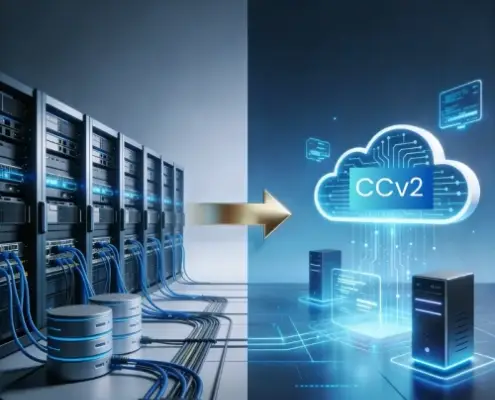
Composable web architecture is a modern way to build websites by breaking them down into smaller, reusable parts. Developers can easily customize and combine each part – like a user interface, business logic, or data service to fit a business’s needs. This kind of flexibility allows businesses to make changes and improvements quickly, giving them a big competitive advantage. By optimizing things to their liking without limitations, they can stand out from the competition.

Pros:

  • Separate repositories: Each microservice has its code repository, allowing developers to work on different features at the same time without interference.
  • Loose coupling: Components communicate through APIs, reducing dependencies and making it easier to deploy them independently.
  • Easier maintenance, more agility: Teams can change one part without affecting the whole system. For example, you can update the user interface without affecting the backend.
  • Independent, easier scalability: Teams can scale microservices separately, which helps optimize resources and reduce costs.. For instance, you can scale the web server during high traffic without scaling other services.
  • Resilient by default: If one component fails, the system’s other parts keep working independently. For example, if a log service crashes, it won’t affect services like authentication or data processing.

Cons:

  • Increased attack surface: More APIs and microservices mean more potential entry points for attackers. This makes security more important and complex compared to traditional systems.
  • Governance and standards: Since each component may have its setup and resources, creating consistent policies across the entire system can be challenging.
  • Organizational change: To fully implement composable architecture, you might need to change how your organization works. This could include restructuring teams into smaller, specialized groups or hiring experts in microservices, APIs, and distributed systems.

What is Headless Architecture?

“Headless” might sound odd, right? This means that the front end (what users see) is separated from the back end (where the data and logic live). In traditional apps, both parts are tightly connected, making updates and changes difficult. Headless apps solve this by letting each part work independently, making development and content management smoother.

Pros

  • Easier to manage: When you go headless, managing content becomes much simpler. You can share content across different platforms like websites and mobile apps from one central source.
  • More freedom: Going headless reduces the risk of breaking things when making changes—if you know what you’re doing.
  • Better performance: Headless architecture improves site performance. It makes the site more scalable, flexible, and secure, which can help you reach a bigger audience.
  • API-based: Headless systems use APIs (a way for different software parts to talk to each other), making it easier to work with and swap out components when needed.

Cons

  • Complex Deployment: Since the front end and backend are built and deployed separately, the process takes more time compared to traditional systems. Ensuring both parts work well together can also be tricky.
  • Specialized Expertise: Headless Commerce requires technical skills to integrate with third-party technologies and APIs. You need a good understanding of different systems to make it all work smoothly.
  • High Costs: Using multiple third-party services adds extra costs, along with the expenses for developing and maintaining the system.

Learn more: Top 10 Headless commerce platforms to watch in 2025

What is MACH® Architecture?

MACH® architecture is a set of principles for building modern, flexible technology platforms. The acronym symbolizes Microservices, API-first, Cloud-native, as well as Headless:

  1. Microservices: Small, independent parts of a system that can be developed, deployed, and managed separately.
  2. API-first: The features are accessible through APIs, making it easy to connect different apps or services.
  3. Cloud-native SaaS: Software that takes full advantage of the cloud, offering features like automatic updates and scalable resources so businesses don’t have to manage upgrades.
  4. Headless: The front-end user interface is separated from the back-end, allowing complete freedom to design the user experience and connect to different devices and channels, like apps or IoT devices.

MACH® is becoming popular because it supports a composable enterprise, where each component can be easily added, replaced, or improved. It allows businesses to pick the best tools available and make future changes easily.

Pros

  • Faster and lower risk: MACH® lets you quickly create prototypes and test ideas before committing to big projects, saving time and money.
  • Best tools, no compromise: MACH® lets you use the best technology available without being stuck with subpar add-ons. You can also keep your current systems that work well.
  • No more upgrades: With MACH®, updates are automatic and won’t disrupt your system, so you don’t need to worry about big upgrade projects.
  • Easy customizations and innovation: MACH® makes it easy to adapt and innovate quickly, allowing you to make changes to meet customer needs without hassle.

Cons

  • Requires technical expertise: MACH® setups are complex and require careful planning to avoid issues like too many dependencies. APIs need to be high-quality to avoid affecting other services, and data access must be secure.
  • Increases organizational complexity: Multiple teams may be needed for different parts of the system, requiring good coordination. Specialized technical expertise is needed, making recruitment harder.
  • Harder to resolve issues: Finding and fixing errors is tougher, especially if you don’t control the services causing them. Effective monitoring tools, like Datadog or Sentry, are needed to track and debug issues.

Composable Commerce vs Headless Commerce vs MACH® Architecture: Understanding the Key Differences

Features Composable Headless MACH®
ArchitectureModular, built from independent components Separation of frontend and backend Microservices-based, API-first, Cloud-native, and Headless
Flexibility High, with interchangeable components High, as frontend and backend are decoupled High, allows for dynamic selection of best tools
Customization It can be highly customized through modularity Offers design freedom for frontend customization Allows seamless customization across multiple areas
Integration Integrates well with various systems Interfaces with any system via APIs Focuses on API-first for integration
Scalability Scalable components that can be adjusted Scalable, especially frontend via APIs Scalable microservices that can be independently adjusted
User Experience Depends on how components are assembled Focused on frontend user experience Provides complete freedom in UI/UX design
Deployment Can be complex with multiple moving parts Easier to deploy frontend independently More complex, as it involves microservices and APIs
Maintenance Easier to maintain, as components are separate Frontend and backend are independent Regular updates and non-disruptive changes
Technology Can use any tools for components Primarily uses APIs for communication Uses modern tools like cloud-native, APIs, and microservices
Suitable for Businesses needing flexible, modular setups Businesses seeking freedom in UI design Businesses that need scalable, flexible, and customizable solutions

How to Choose the Right Approach

Each architecture offers unique advantages, so here’s a simple guide to help you choose:

Composable

Pick Composable if:

  • You’re a large company with complicated systems.
  • You build software or SaaS products.
  • You’re focused on adopting new digital solutions.

Why? Composable systems let you build applications like Lego blocks—mixing and matching components as your business evolves.

Headless

Choose Headless if:

  • You want easy content management for editors, designers, and developers.
  • You frequently create, edit, and share content.
  • You want a competitive edge by offering a smooth digital experience.

Why? By separating the frontend and backend, Headless architecture makes content delivery fast and adaptable.

MACH

Go for MACH if:

  • You’re a big business with advanced operations.
  • Your website has a lot of content.
  • You run a complex and high-traffic online store.

Why? MACH offers flexibility, speed, and integration with the latest technologies, keeping your digital operations at the cutting edge.

When comparing Composable, Headless & MACH® architecture, it’s worth noting that while both offer flexibility and scalability, MACH emphasizes being cloud-native and API-first for enhanced adaptability.

Conclusion

Choosing between Composable, Headless & MACH® architectures depends on your business goals, budget, and plans. If you need flexibility and room to grow, headless or composable might work best. For a fully modern, scalable setup, MACH could be the right fit.

The main aim is to improve your customer’s experience. Picking the right technology can help you create engaging digital experiences that keep customers coming back.

©2026 GoWide. All rights reserved.